
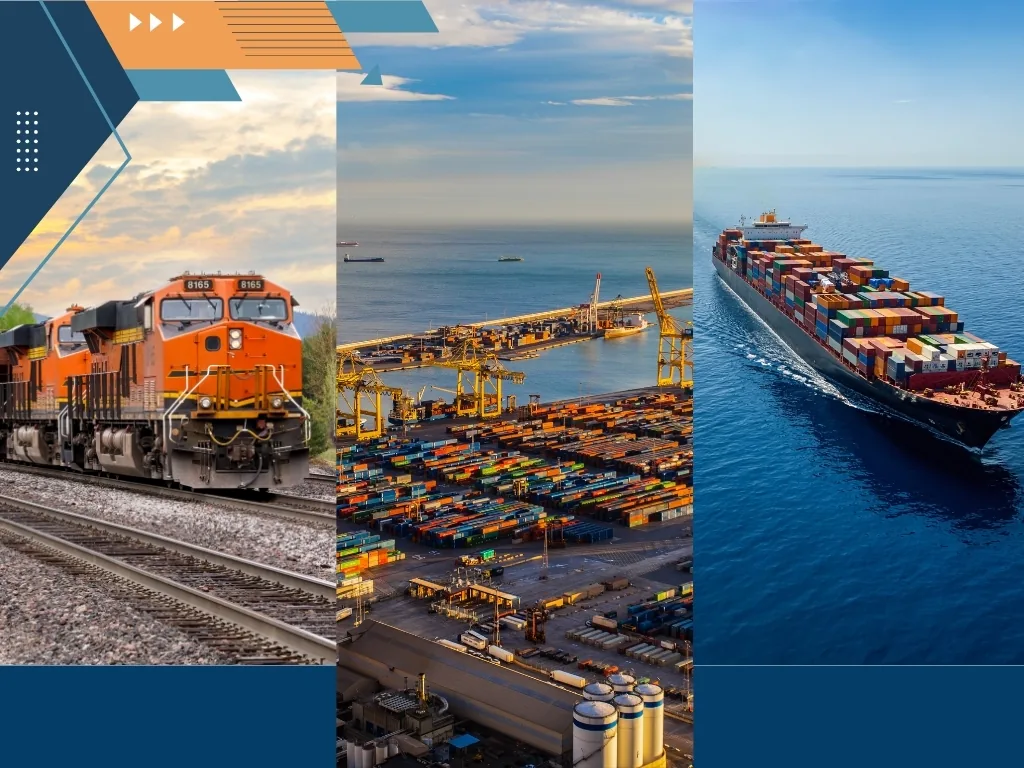
Globalization has unlocked extraordinary efficiencies: lower costs, faster production cycles, and access to worldwide talent and materials. But the same interconnectedness that powers modern commerce also exposes supply chains to a wider range of vulnerabilities. When a disruption occurs in one region, its ripple effects can travel across continents in hours. For organizations that depend on just‑in‑time logistics or geographically concentrated suppliers, the margin for error has never been thinner.
These vulnerabilities become especially visible during high‑profile disruptions. The current tensions affecting the Strait of Hormuz, for example, highlight how critical maritime chokepoints are to global trade. It’s clear that any instability in such a narrow and heavily trafficked corridor can slow shipments, increase insurance costs, and force companies to rethink routing strategies.
We’ve seen this pattern before. The COVID‑19 pandemic exposed how dependent industries were on single‑region manufacturing hubs. Shortages in semiconductors, PPE, and raw materials demonstrated how quickly global supply chains can seize up when borders close or factories shut down. Similarly, the 2021 Suez Canal blockage, showed how a single incident in a single waterway could delay billions of dollars in goods and disrupt schedules for months.
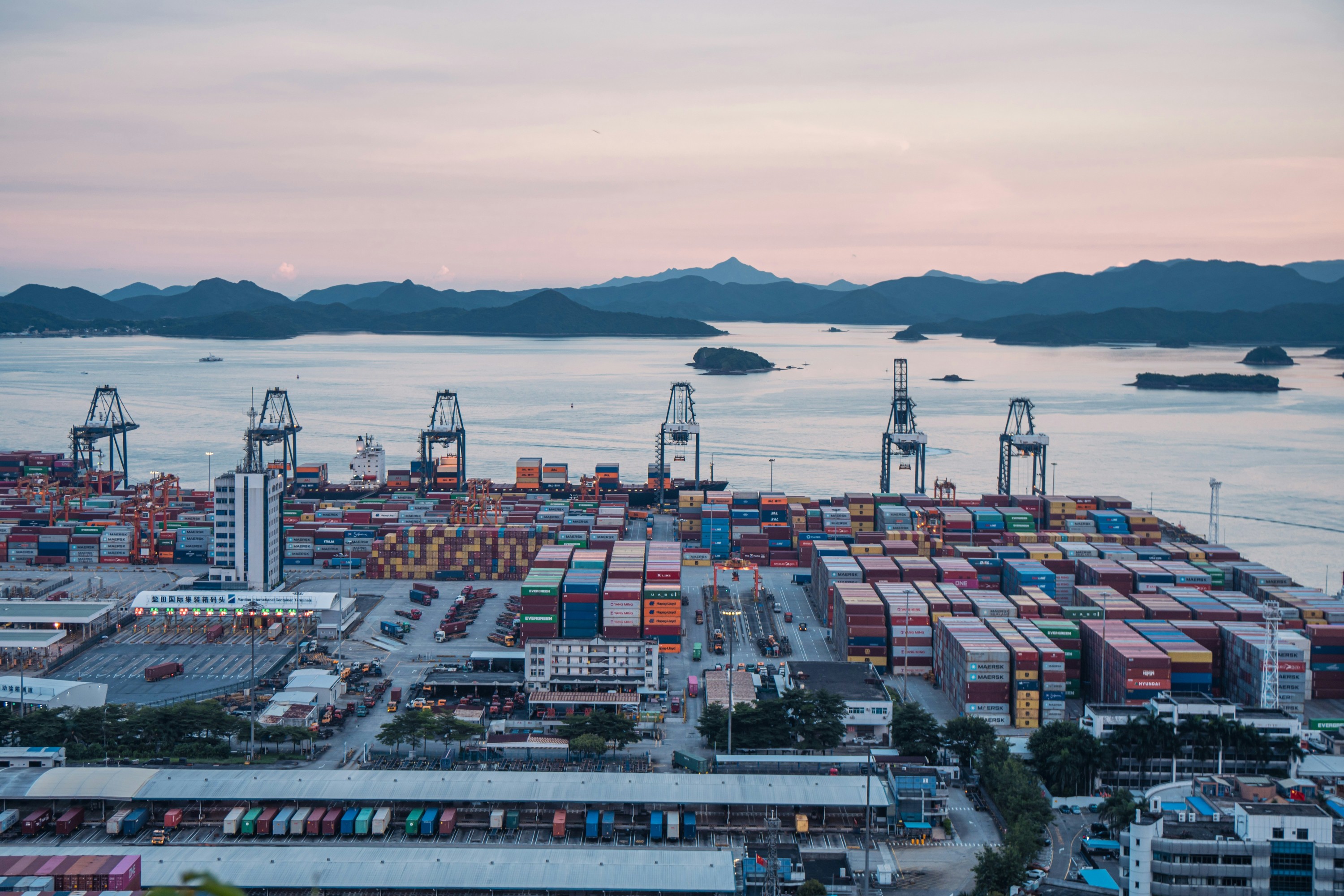
These events aren’t anomalies; they’re reminders. The question for businesses isn’t whether disruptions will occur, but how prepared they are when they do. Building resilience isn’t about predicting every possible disruption, it’s about designing supply chains that can absorb shocks, adapt quickly, and continue operating under stress. Business continuity planning is the framework that makes this possible.
Here are key actions organizations can take:
Strengthening supply chain resilience requires a shift from reactive crisis management to proactive continuity planning. That means diversifying suppliers, investing in real‑time visibility tools, building strategic inventory reserves, and developing contingency logistics routes. It also means fostering cross‑functional collaboration so that procurement, operations, finance, and risk teams can respond in sync rather than in silos.
Disruptions will continue, whether from geopolitical tensions, natural disasters, cyber incidents, or unexpected global events. Organizations that treat resilience as a competitive advantage, not just a defensive measure, are better positioned to maintain customer trust, protect revenue, and adapt to whatever comes next.
If your organization is ready to strengthen its supply chain continuity and build a more resilient future, contact Sandhurst Consulting to begin developing a comprehensive business continuity plan tailored to your needs.
Get Started



Program Development
Emergency Exercises
A division of

Offices
Head Office:
Suite 2100, 144 4th Ave S.W. West Tower Calgary, Alberta, T2P 3N4
(403) 705 5795
Toronto Office:
Suite 401, 703 Evans Ave. Toronto, Ontario, M9C 5E9
© 2026 SandHurst. All rights reserved. Powered by
Apex Web Studios
Submit your Resume
Privacy Policy
Privacy PolicyTerms of Service
Terms and ConditionsCookie preferences
