
Workshop
Tabletop
Functional
Full Scale
Effective emergency response doesn't happen by chance, it’s developed through practice, repetition, and realistic training. At Sandhurst Consulting, we design and deliver customized emergency exercises that help organizations validate plans, strengthen team performance, identify gaps, and build confidence before a real emergency occurs. Whether you are testing an emergency response plan, business continuity plan, or public protection measures, we create exercises tailored to your organization's unique risks, operations, and objectives.


One of the factors that sets Sandhurst apart is the depth of experience and expertise we bring to every exercise. Our exercise design team includes emergency management practitioners, facilitators, evaluators, and role players who understand how emergencies unfold in the real world. We draw from a diverse talent pool to create realistic scenarios, simulate external stakeholders, and challenge participants with the types of issues they are likely to face during an actual incident.
From simulated media inquiries and stakeholder interactions to evolving operational challenges and social media activity, we create immersive learning environments that keep participants engaged and provide valuable opportunities to test plans, processes, decision-making, and communication systems.

Built from real incidents and hazards relevant to your operations.

Government agencies, media, contractors and stakeholders.

Emails, phone calls, social media and media injects.

Exercises evolve based on participant decisions.


Scenario-driven discussions that test plans and decisions.

Operational exercises with live injects and SimCell support.
Complete field exercises deploying real personnel and resources.

Walkthroughs are an excellent starting point for organizations who are new to exercising, or are implementing new plans. These facilitated sessions introduce participants to emergency response or business continuity plans through structured discussion and scenario-based learning.
Best For
New Teams
Updated Plans
Awareness Building
New Procedures
Key Benefits

Improves familiarity
Clarifies responsibilities
Identifies knowledge gaps
Builds confidence
Exercise Objective
Familiarize personnel with plans, procedures, and their roles — building the foundation for more complex exercises.
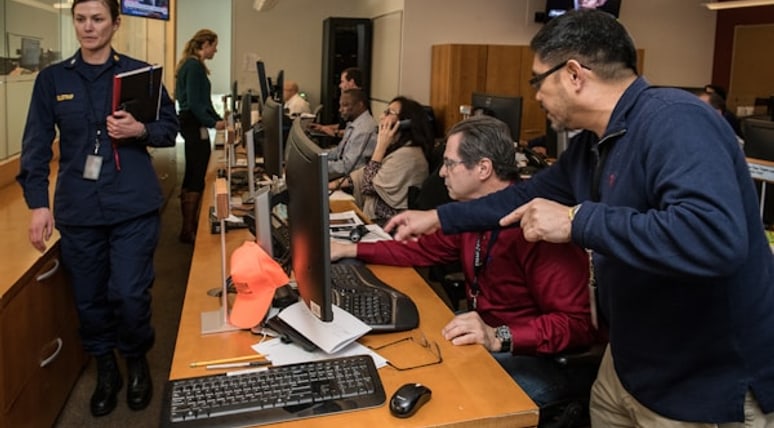
Tabletop exercises bring stakeholders together to discuss and work through realistic emergency scenarios in a facilitated environment. Participants explore how they would respond to events, make decisions, coordinate resources, and apply plans without the pressure of a live deployment.
Ideal for:
Emergency response teams
Emergency Operations Centres (EOCs)
Leadership teams
Multi-department coordination
Key benefits:
Strengthens teamwork and communication
Validates plans and procedures
Encourages collaborative problem-solving
Identifies opportunities for improvement
Exercise Objective
These exercises provide valuable opportunities to evaluate current procedures, identify gaps, and improve coordination across teams and departments.

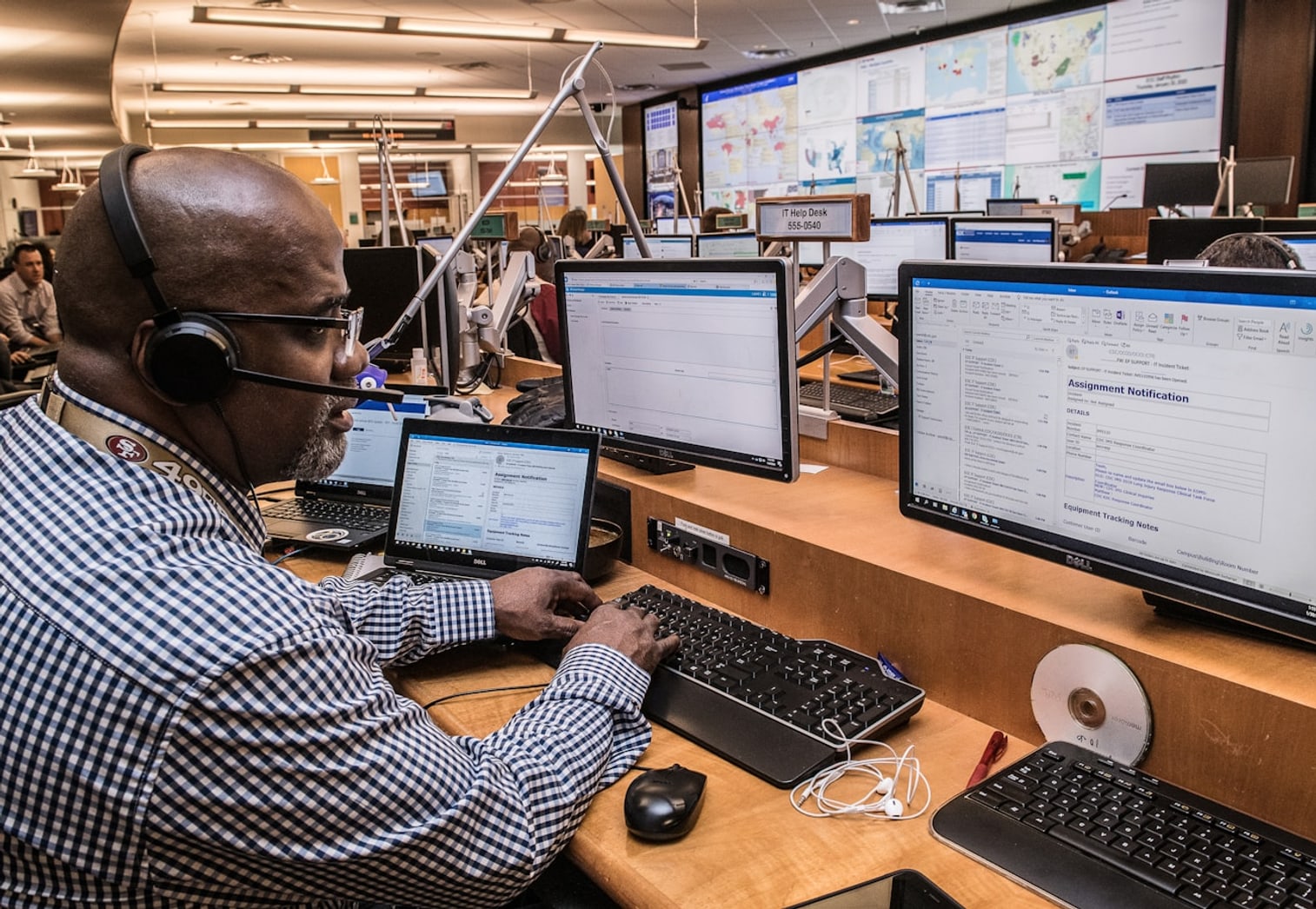
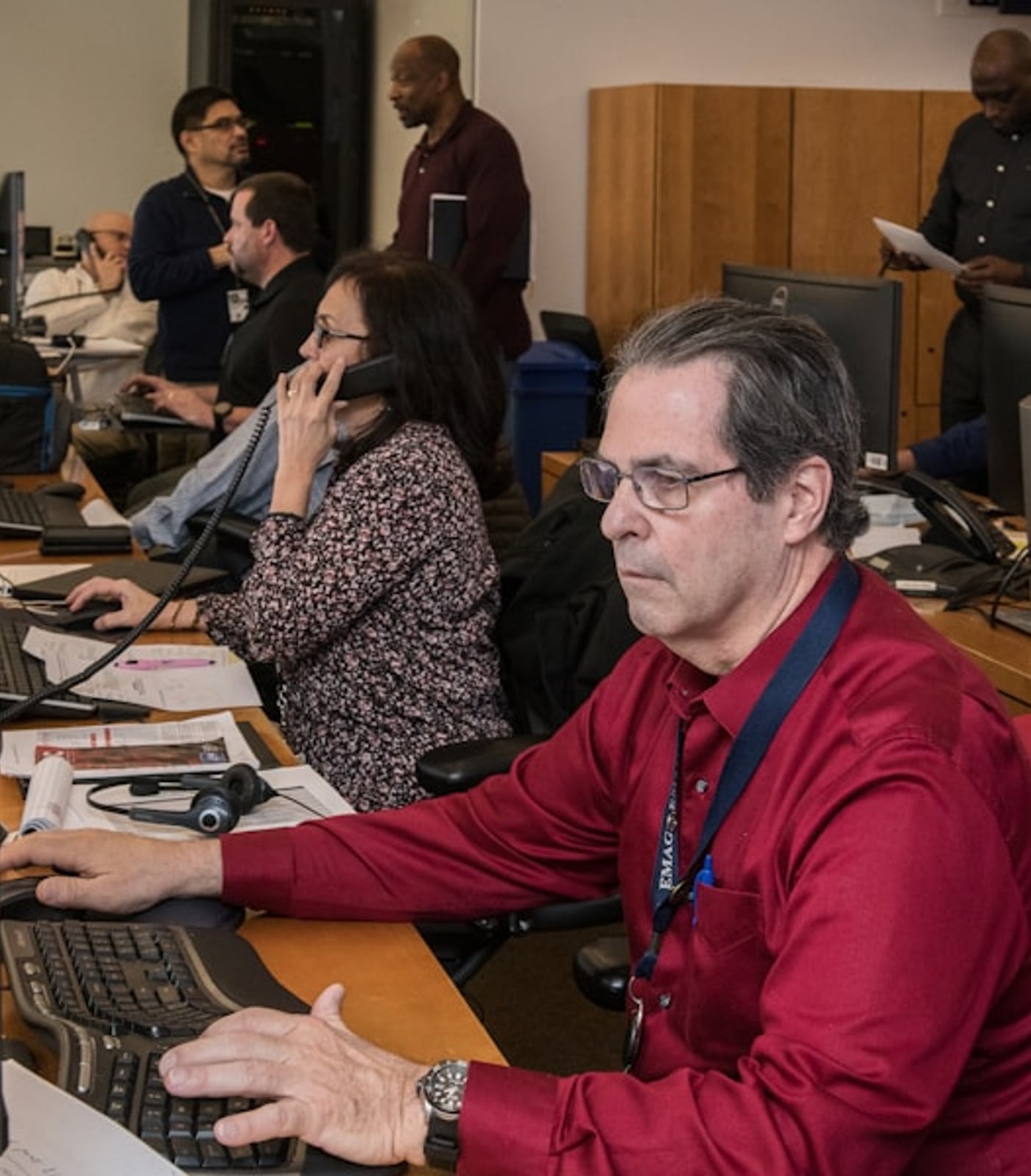
Functional exercises move beyond discussion exercises listed above by placing participants in a realistic response environment where they actively perform their emergency management roles. Using our dedicated SimCell, participants receive real-time information, requests, and injects that mirror the pace and complexity of an actual emergency.
Ideal for:
Incident Management Teams
Emergency Operations Centres
Business continuity teams
Organizations preparing for high-consequence events
Key Benefits
Tests operational procedures
Improves decision-making under pressure
Evaluates command, control, and communications
Builds confidence in team capabilities
Exercise Objective
These exercises provide valuable opportunities to evaluate current procedures, identify gaps, and improve coordination across teams and departments.
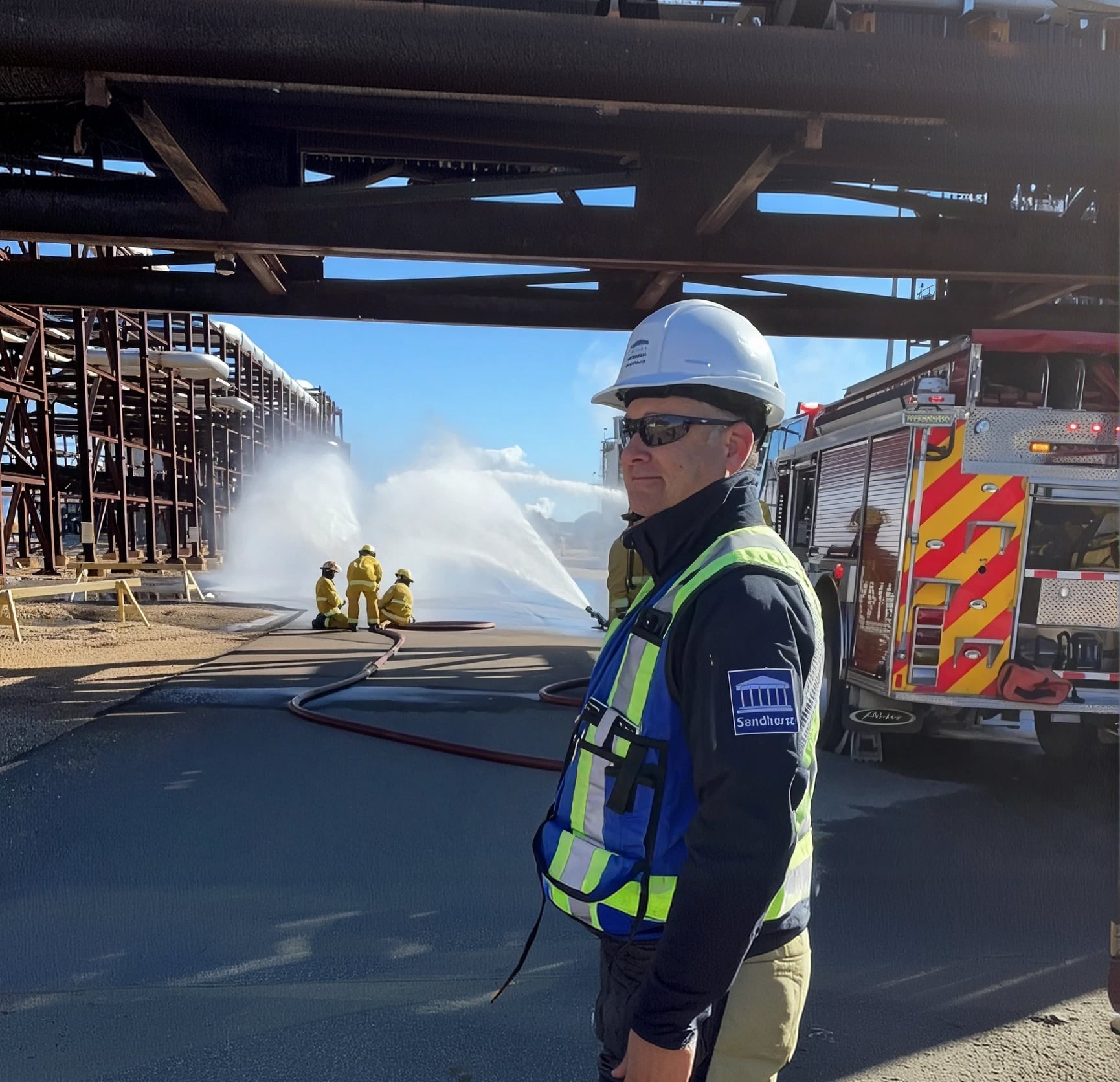
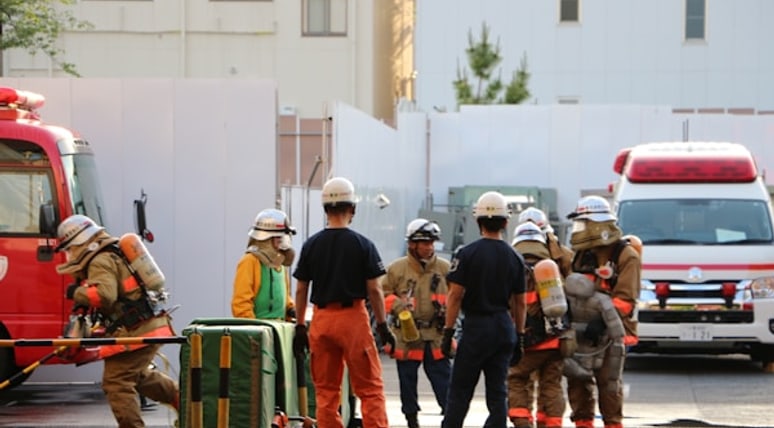
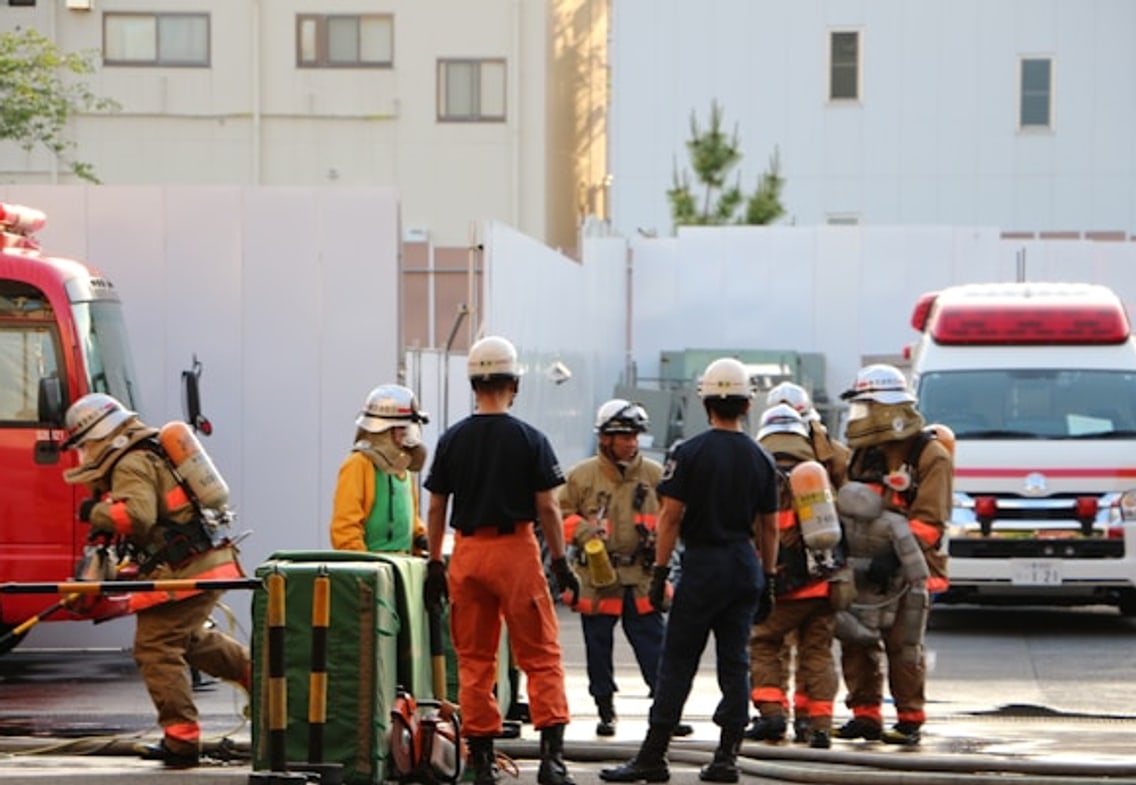
Our full-scale exercises give your organization the opportunity to test your plans, personnel, communications, and resources in a dynamic, real-time environment. These large-scale exercises may involve multiple departments, agencies, stakeholders, and response teams operating simultaneously. Participants will be challenged with realistic operational problems, evolving situations, and live interactions with facilitators and role players.
Best For
Mature emergency management programs
Multi-agency coordination
Regulatory and compliance requirements
High-risk industries and critical infrastructure
Key Benefits
Validates emergency response capabilities
Tests communications and coordination systems
Evaluates deployment of personnel and resources
Identifies strengths and improvement opportunities across the organization
Exercise Objective
Supported by our SimCell operations, field observers, controllers, evaluators, and experienced exercise staff, these full-scale exercises deliver the most comprehensive and impactful assessment available of your organization’s preparedness to respond.
The After-Action Report (AAR) is where real improvement happens. Our detailed findings give your organization a clear, prioritized path forward.
Detailed Findings
Documented observations from controllers and evaluators across all exercise objectives.
Strengths
What your team did well — reinforcing what should be maintained and built upon.
Improvement Actions
Specific, prioritized steps to close identified gaps and improve performance.
Compliance Recommendations
Guidance aligned with regulatory frameworks and applicable standards.
Improvement Roadmap
A phased plan connecting this exercise to your next exercise and overall program maturity.
Better exercises create better decisions—and better decisions save lives, protect assets, and reduce organizational risk.
How Frequently Should I test my Emergency Response, Business Continuity, or Security Plans?

Regular testing is essential to ensure your plans remain effective and your teams are prepared to respond confidently. We recommend exercising your plans at least annually, using a progressive approach that builds capability over time. By combining training with increasingly complex exercises, organizations can validate their plans, strengthen decision-making, identify gaps, and build confidence in a safe and supportive environment.
Can you develop industry-specific exercise scenarios?
Absolutely. We work closely with our clients to design realistic, customized exercise scenarios that align with their unique risks, operating environment, and organizational objectives. Whether you are looking to test emergency response capabilities, business continuity plans, crisis management procedures, cybersecurity preparedness, or security protocols, our scenarios are tailored to provide meaningful learning opportunities while applying the appropriate challenges to validate your plans, assess decision-making, and identify areas for improvement.
Do exercises meet regulatory requirements?
Yes. If your organization is subject to regulatory, accreditation, or compliance requirements, we will design exercises that meet those specific standards. Our team has extensive experience developing and facilitating exercises that satisfy the requirements of regulatory bodies, industry standards, and oversight agencies across Canada and the United States.
If I have training, do I need to do exercises as well?
Training and exercises are complementary components of an effective preparedness program. Training provides you with the foundational knowledge, skills, and competencies required to perform effectively during an incident, while exercises allow your team to apply, validate, and reinforce those capabilities in realistic scenarios.
What is a SIM CELL?
Our Simulation Cell (SIM CELL) is a dedicated group of experienced exercise professionals responsible for creating and managing the realistic elements of an exercise. Acting on behalf of organizations, agencies, stakeholders, media representatives, members of the public, or other external parties, the SIM CELL team provides participants with information, requests, and injects that mimic real-world conditions.
SIM CELL personnel are often experienced emergency management practitioners, subject matter experts, and crisis communications professionals who help create a dynamic learning environment while ensuring exercise objectives are met safely and effectively.
Get Started



Program Development
Emergency Exercises
A division of

Offices
Head Office:
Suite 2100, 144 4th Ave S.W. West Tower Calgary, Alberta, T2P 3N4
(403) 705 5795
Toronto Office:
Suite 401, 703 Evans Ave. Toronto, Ontario, M9C 5E9
© 2026 SandHurst. All rights reserved. Powered by
Apex Web Studios
Submit your Resume
Privacy Policy
Privacy PolicyTerms of Service
Terms and ConditionsCookie preferences
