

Wildfire season is no longer a seasonal inconvenience; it is a structural force reshaping how organizations operate in Canada. The combination of extreme heat, prolonged drought, and increasingly unpredictable fire behaviour is pushing organizations into a new era of climate‑driven volatility. Environment and Climate Change Canada (ECCC) have already warned that,
“2026 will likely be among the hottest years on record, comparable to 2023 and 2025 and approaching 2024, which remains the warmest year ever observed.”
That trajectory signals something deeper than a hot summer ahead; it signals a work environment where disruption is the norm, not the exception. Leaders who treat wildfire season as a temporary hazard will find themselves on the back foot. Those who recognize it as a strategic inflection point will build organizations that are more resilient, more adaptive, and ultimately more competitive.
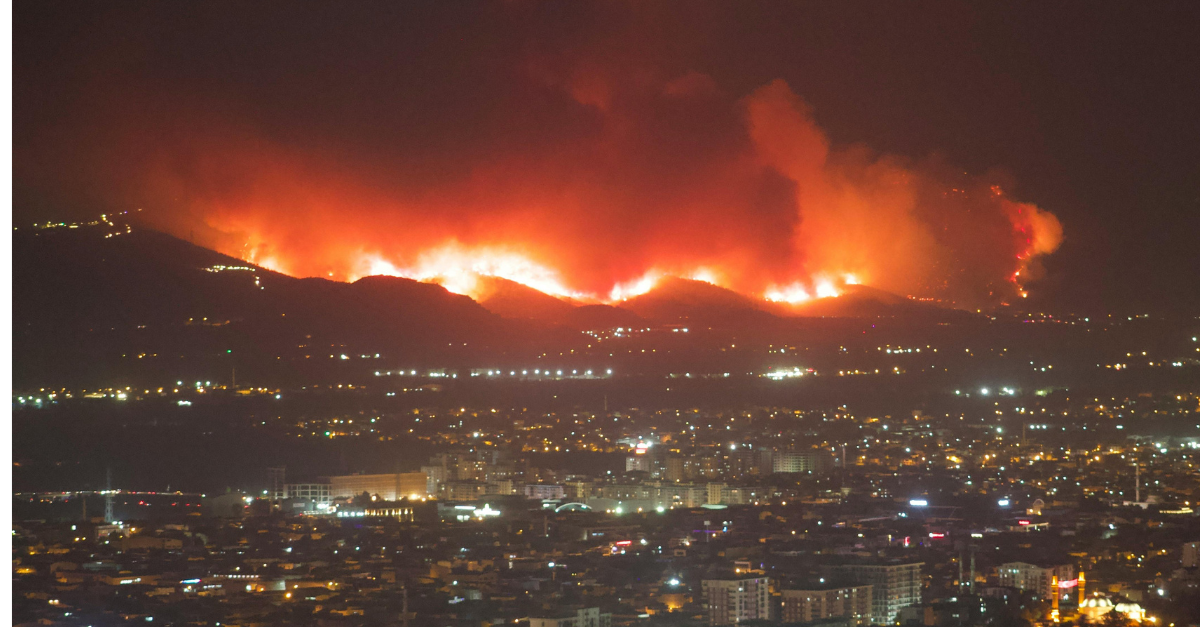
The economic impact of wildfires is no longer limited to communities directly in the fire’s path. Smoke events as we have seen degrade air quality across entire provinces, forcing closures, reducing productivity, and creating health risks for workers.
Transportation corridors have shut down with little warning, disrupting supply chains and delaying critical shipments. Insurance markets are tightening, and premiums are rising in high risk regions. Even your customer behaviour will shift during prolonged smoke or heat events, affecting foot traffic and demand patterns.
In this environment, wildfire preparedness is not simply about safety compliance, it is about operational resilience. It is about protecting your workforce, ensuring your business continues to function when conditions deteriorate, and in turn, safeguarding your reputation.
Forward‑thinking leaders are reframing wildfire planning as part of a broader climate‑risk strategy. This means moving beyond emergency procedures and embedding resilience into your organization’s culture, infrastructure, and decision‑making.
A leadership‑driven approach includes:
This shift positions preparedness as a marker of organizational maturity. It signals to employees, investors, and communities that your business understands the realities of operating in changing climates.
Business continuity is where wildfire planning becomes truly strategic. The question is no longer “How do we respond if a fire gets close?” but “How do we maintain operations during weeks of poor air quality, disrupted logistics, and unpredictable closures?”
A continuity‑focused approach includes several key elements:
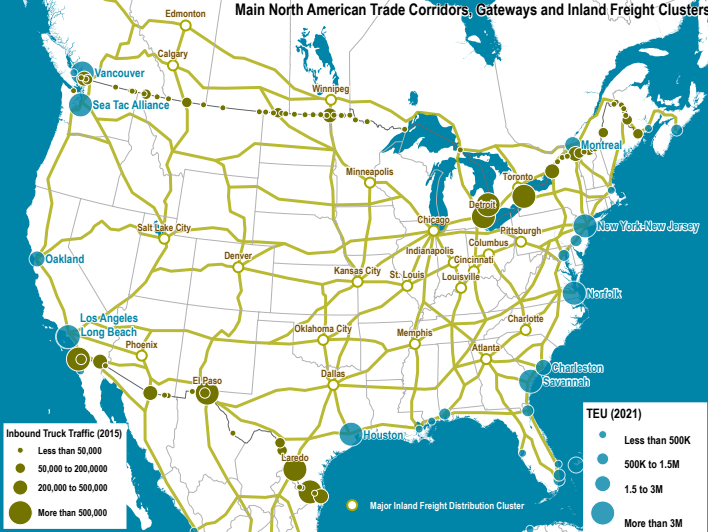
Diversified supply chains that reduce dependence on single routes or vendors vulnerable to wildfire disruptions.
Continuity planning is not about predicting the exact nature of the next wildfire season, it is about building the capacity to adapt to whatever form disruption takes.
Employees are at the centre of wildfire resilience. In a competitive labour market, employees increasingly expect their employers to take climate‑related health risks seriously. Organizations that do so, strengthen trust and loyalty, which are essential during periods of disruption.
Businesses that take proactive steps to protect their workforce are far better positioned to stay operational during smoke events, evacuations, or temporary site closures. Flexible scheduling, remote‑work readiness, and clear, timely communication help keep teams connected and productive even when conditions deteriorate. For organizations with outdoor workers, providing protective measures and adapting work practices not only reduces health risks but also supports steadier performance and fewer disruptions.
The organizations that will thrive in the coming years are those that treat wildfire season not as an annual crisis but as a catalyst for innovation. They will invest in smarter infrastructure and more agile operations. They will build teams that are informed, empowered, and prepared and they will communicate their readiness as part of their brand.
Wildfire season is becoming a defining feature of doing business in Canada. Leaders who embrace this reality will not only protect their organizations, but they will also position them to lead in a future where resilience has become a core measure of success. Ready to act – let’s discuss how we’ll build your capability and ready your workforce for wildfire disruptions.
Source:
Get Started



Program Development
Emergency Exercises
A division of

Offices
Head Office:
Suite 2100, 144 4th Ave S.W. West Tower Calgary, Alberta, T2P 3N4
(403) 705 5795
Toronto Office:
Suite 401, 703 Evans Ave. Toronto, Ontario, M9C 5E9
© 2026 SandHurst. All rights reserved. Powered by
Apex Web Studios
Submit your Resume
Privacy Policy
Privacy PolicyTerms of Service
Terms and ConditionsCookie preferences
